BNPL in India: Integration strategies for higher conversion rate
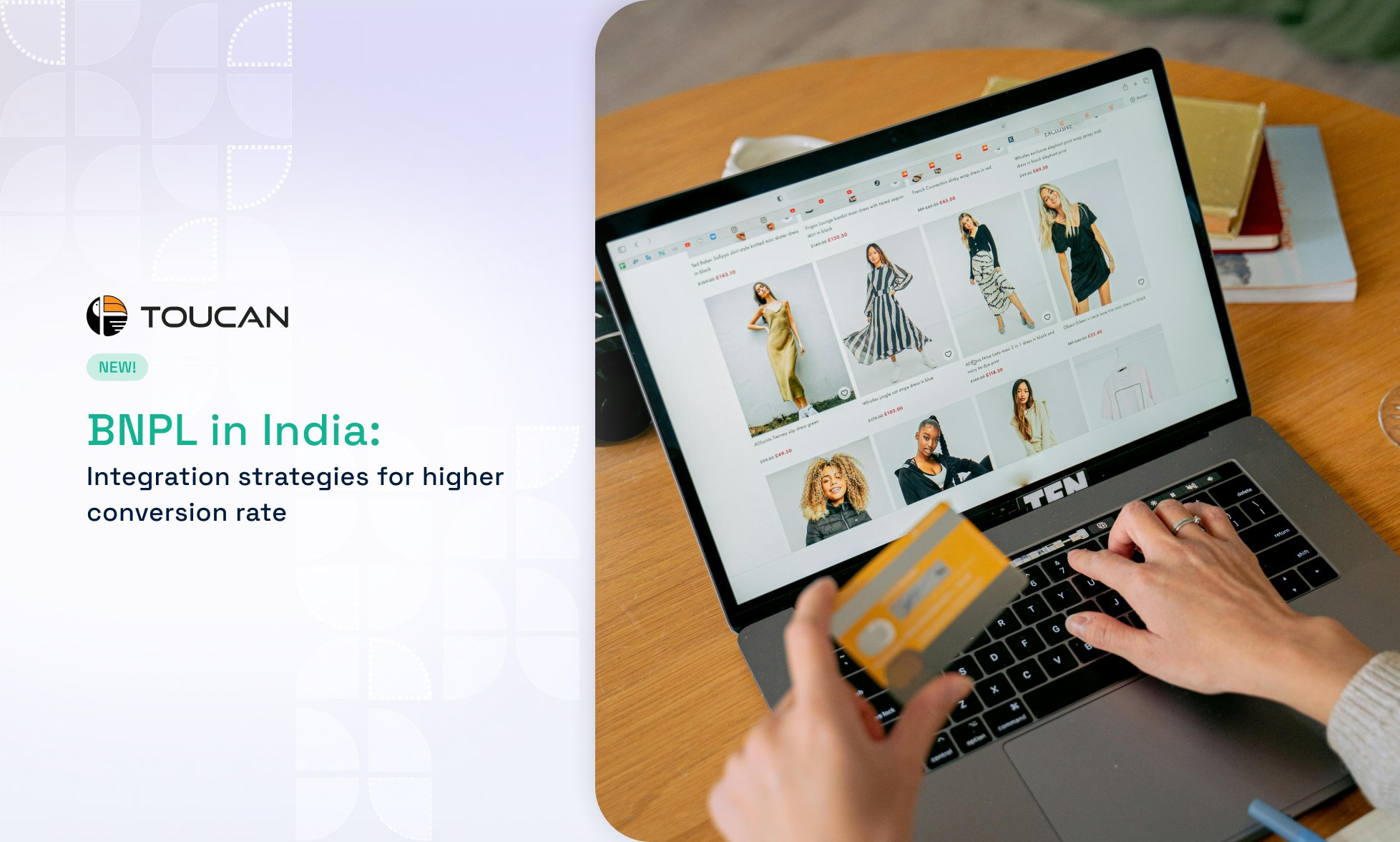
India’s Buy Now, Pay Later (BNPL) market has entered a decisive growth phase. Valued at over $30 billion in 2025 and projected to more than double by the end of this decade, BNPL has moved from a niche checkout novelty to a mainstream payment expectation. For merchants, this is not just an industry trend to observe, it is a conversion lever that demands strategic action.
Why BNPL boosts conversion
Merchants that add BNPL at checkout often report conversion improvements in the 10-15% range, largely because customers can afford the same cart without switching apps or abandoning the purchase. BNPL adoption in India is also supported by structural tailwinds like low credit-card penetration and UPI-led instant underwriting, which makes “new-to-credit” users reachable at checkout.
Seven integration strategies that move conversion
Strategy1: Anchor Affordability Early
Surface BNPL early (Product Detail Page (PDP) + cart), showing “Pay in X” messaging to reduce price shock before the user reaches the payment page.
Strategy2: Cart BNPL Pre-Check
Pre-check eligibility in the background (soft checks / cached limits) so users don’t discover failure after entering OTPs and details.
Strategy3: Multi-Lender Orchestration
Use smart routing (orchestration): if Provider A declines, route to Provider B or switch to card EMI/UPI intent, while keeping the user in the same checkout session.
Strategy4: UPI-Native Optimization
Optimize for UPI-native flows where relevant (UPI intent, QR, autopay-like reminders), because UPI-linked credit journeys reduce “form fatigue” and speed up checkout decisions.
Strategy5: Progressive KYC Profiling
Reduce KYC/document friction with progressive profiling: ask the minimum at checkout, then complete additional steps post-purchase or at first repayment (where permitted by your lender/partner design).
Strategy6: Friendly Failure Fallbacks
Make failure states conversion-friendly: show the next best option instantly (UPI collect, wallet, COD alternatives), because abandonment often comes from dead-ends, not from the first decline.
Startegy7: Seamless Repayment UX
Post-purchase repayment UX matters: clear schedules, reminders, and easy support reduce delinquencies that can later lower approval rates for the same customer cohort.
Ready to Unlock BNPL-Driven Growth?
BNPL is no longer a future trend in Indian commerce, it is a present-day conversion engine. The merchants who integrate it thoughtfully, optimise it continuously, and partner with the right payment infrastructure will capture a disproportionate share of the market’s growth.
Explore ToucanPay’s Payment Solutions at mistyrose-deer-847594.hostingersite.com
Frequently Asked Questions
Q1: Where should I place BNPL options for max conversion?
A: PDP (affordability anchors like “Pay ₹X today”), cart (pre-check visibility), and checkout priority.
Q2 :What if a BNPL provider declines the customer?
A: Smart routing instantly pivots to Provider B, UPI EMI, card EMI, or wallets, without session reset.
Q3: Can I use UPI-linked BNPL flows?
A: Yes, RBI permits UPI-linked credit products if the lender controls disbursal/repayment.
Q4: Does post-purchase UX affect future approvals?
A: Yes, clear repayment schedules + reminders reduce delinquencies by 40%, preserving customer cohort approval rates for repeat purchases.



 sales@toucanpay.in



 Hyderabad (HQ)
 US Office