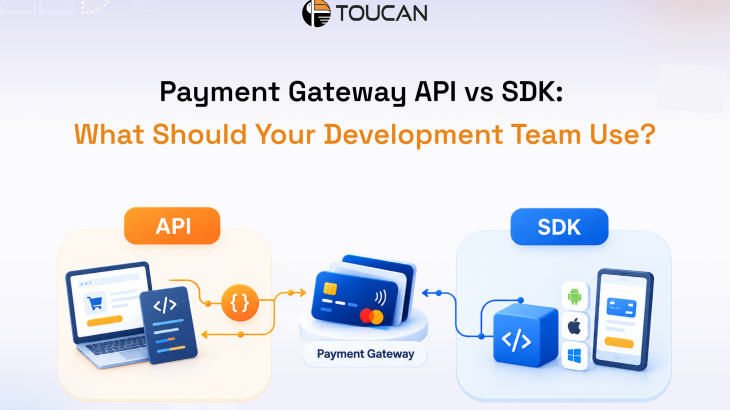
Payment Gateway API vs SDK: What Should Your Development Team Use?

Payment Gateway API vs SDK: What Should Your Development Team Use?

Introduction Choosing the right payment gateway integration can affect how quickly your business launches, how customers experience checkout, and how easily your team manages payments as the business grows. Two common options are a payment gateway API and a Software Development Kit (SDK). Both help connect your website or application to payment infrastructure, but they […]
Continue reading


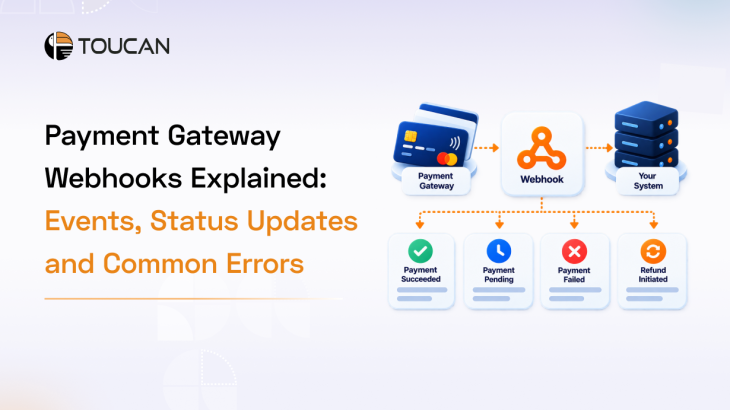
Payment Gateway Webhooks Explained: Events, Status Updates and Common Errors

Payment Gateway Webhooks Explained: Events, Status Updates and Common Errors

Introduction Payment gateways process transactions, but your website, CRM, or order management system also needs timely updates to confirm payments and manage failures. Payment gateway webhooks make this possible by sending automatic notifications when payment-related events occur. For ecommerce businesses, fintech companies, and digital platforms, webhooks help automate payment tracking, reduce manual work, and improve […]

Continue reading


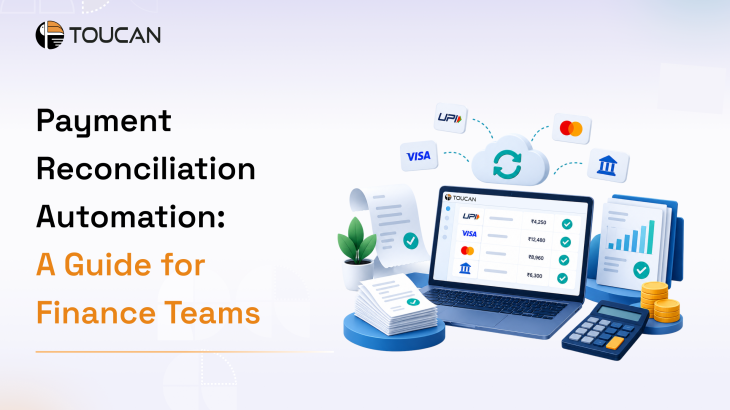
Payment Reconciliation Automation: A Guide for Finance Teams

Payment Reconciliation Automation: A Guide for Finance Teams

Introduction Managing payments across multiple gateways, banks and payment methods can make financial reconciliation complicated. Finance teams need to verify transactions, track settlements, account for fees and investigate discrepancies. When handled manually, these tasks can consume time and delay financial reporting. Payment reconciliation automation helps businesses match payment records with settlement reports and accounting entries […]

Continue reading


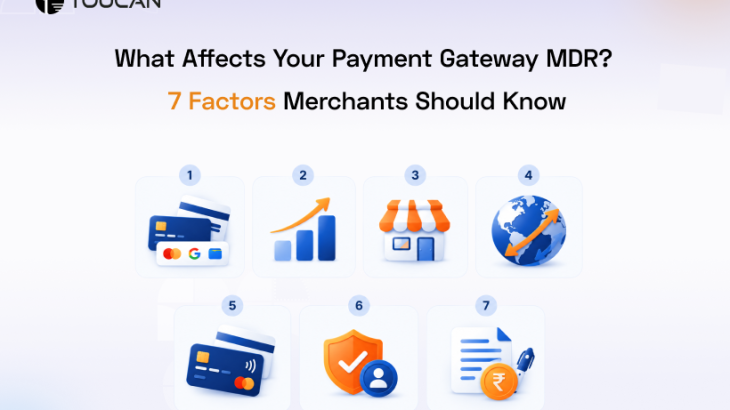
What Affects Your Payment Gateway MDR? 7 Factors Merchants Should Know

What Affects Your Payment Gateway MDR? 7 Factors Merchants Should Know

Introduction For merchants accepting online payments, the payment gateway MDR is an important part of the overall cost of processing transactions. MDR, or Merchant Discount Rate, is the fee charged for processing a digital payment. It can affect the cost of every transaction and therefore have a direct impact on a business’s payment expenses and […]

Continue reading


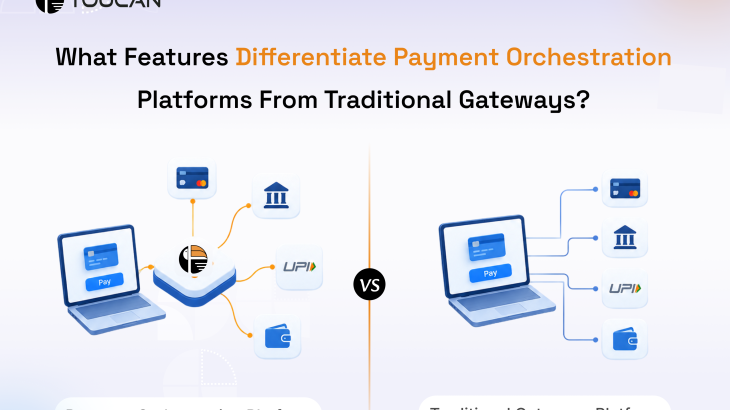
What Features Differentiate Payment Orchestration Platforms From Traditional Gateways?

What Features Differentiate Payment Orchestration Platforms From Traditional Gateways?

Introduction Businesses today have more payment options than ever. Customers can pay using cards, UPI, wallets, bank transfers, and other local payment methods. At the same time, businesses operating across multiple markets often work with different payment service providers and processors. This creates an important question: What is the difference between a traditional payment gateway […]

Continue reading


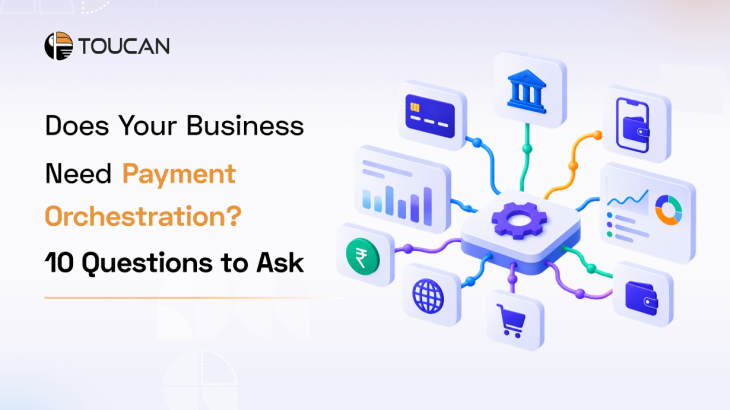
Does Your Business Need Payment Orchestration? 10 Questions to Ask

Does Your Business Need Payment Orchestration? 10 Questions to Ask

As businesses grow, payment processing can become more complicated than simply connecting a payment gateway to a website. A business may start with one payment gateway and a few payment methods. But as transaction volumes increase, customers move across markets, and more payment options are added, managing payments through a single provider can create new […]

Continue reading


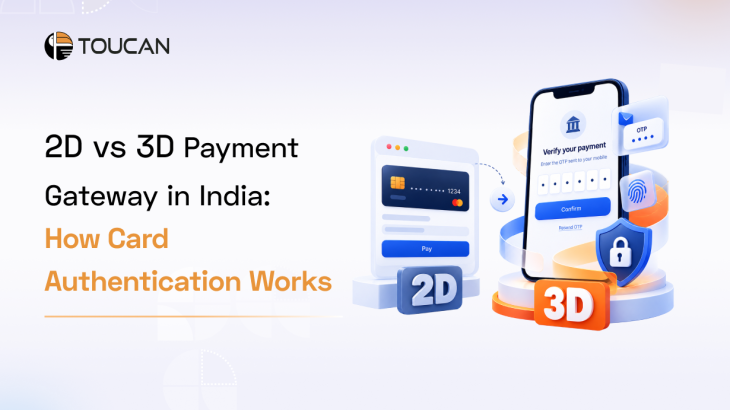
2D vs 3D Payment Gateway in India: How Card Authentication Works

2D vs 3D Payment Gateway in India: How Card Authentication Works

Introduction 2D vs 3D payment gateway is an important consideration for businesses accepting online card payments in India. Whether customers are paying for an ecommerce order, school fees, an insurance premium, or a subscription, the payment gateway plays an important role in moving the transaction from the customer to the merchant and the bank. However, […]

Continue reading